
IPTV vs Freeview is one of the biggest telly decisions for UK households in 2026, especially if you are trying to get more choice without making your living room complicated. At Telego, we speak to a lot of viewers who simply want reliable entertainment, sport, films and everyday channels without needing to become technical experts.
The good news is that both IPTV and Freeview can work brilliantly, but they suit different homes. Freeview is familiar, simple and free once you have the right equipment. IPTV is more flexible, works through your internet connection, and can offer a wider viewing experience depending on the service you choose.
If you have ever wondered whether you still need an aerial, whether IPTV works on a Firestick, or whether Freeview is enough for live sport and international channels, this guide will walk you through it calmly and clearly.
We will compare IPTV vs Freeview for channels, setup, cost, picture quality, reliability, legality, sport, films and everyday convenience, with practical UK examples throughout.
For most UK viewers, the simple answer is this: Freeview is best if you mainly watch standard UK broadcast channels and want a no-monthly-cost option. IPTV is better if you want more flexibility, more content choice, easier app-based viewing, on-demand options and access across devices such as a Smart TV, Android box, Firestick, tablet or phone.
Freeview is a broadcast TV platform. It comes through an aerial and gives you a range of free-to-air UK channels, including familiar names such as BBC, ITV, Channel 4, Channel 5, Dave, Quest and various news, shopping, radio and children’s channels. It is a strong choice for simple viewing, particularly for households that mostly watch live terrestrial TV.
IPTV, which stands for Internet Protocol Television, delivers TV over the internet instead of through an aerial, satellite dish or cable line. If you would like a plain-English explanation before comparing the two, our guide to what IPTV is and how it works in the UK is a helpful starting point.
The best choice depends on what matters most to you. Ask yourself:
In many homes, the answer is not strictly one or the other. A lot of viewers keep Freeview as a basic backup whilst using IPTV as their main entertainment option. That way, you get the simplicity of broadcast TV and the flexibility of internet TV.
Freeview is the UK’s free digital terrestrial TV service. If your home has a working aerial and your TV has a built-in Freeview tuner, you can usually scan for channels and start watching without paying a monthly fee. That is one of Freeview’s biggest strengths: it feels familiar, straightforward and low commitment.
Freeview is especially appealing for viewers who like traditional live TV. You switch on the telly, browse the guide, and pick a channel. There is no need to sign in to multiple apps or think about broadband speeds. For many people, especially those who watch evening news, soaps, daytime TV, quiz shows and weekend entertainment, Freeview still does the job nicely.
Typical Freeview benefits include:
However, Freeview does have limits. Channel availability varies by location, aerial quality and signal strength. Some areas get fewer channels than others. Bad weather, old cabling, damaged aerials or local transmitter issues can affect reception. If you have ever seen blocky pictures, missing channels or sudden sound drop-outs, you will know how frustrating aerial-based TV can be.
Freeview also does not provide the same breadth of premium entertainment as some paid TV or IPTV options. You will not get the full range of premium sports, international channels, specialist film channels or large on-demand libraries directly through basic Freeview. You can add streaming apps separately on a Smart TV, but then you are no longer comparing only Freeview; you are building a mixed setup.
IPTV uses your internet connection to deliver live channels, films, series and other video content. Instead of relying on an aerial, your device receives a stream through broadband. That device might be a Smart TV, Firestick, Android box, phone, tablet, laptop or another compatible streaming device.
The attraction is flexibility. IPTV can bring live TV, catch-up style viewing, video-on-demand and a wider channel selection into one place, depending on the provider and package. For viewers who are tired of juggling aerial issues, separate apps and limited channel lists, IPTV can feel like a more modern way to watch.
Common IPTV advantages include:
IPTV is also well suited to households where different people want different things. One person might want football, another wants films, someone else wants documentaries, and the children want cartoons. A well-organised IPTV service can make it easier to bring those preferences together through one interface.
That said, IPTV depends on your internet connection. If your broadband is slow, unstable or overloaded, you may experience buffering or reduced picture quality. In most cases, a stable fibre broadband connection is enough for everyday IPTV, but it is still worth checking your home network before blaming the TV service.
If you are curious about the practical side, our 2026 guide to setting up IPTV in the UK explains the process step by step, including devices, apps and common home setup tips.
Channel choice is where the IPTV vs Freeview comparison becomes very clear. Freeview gives you a solid selection of UK free-to-air channels. IPTV can go much wider, although the exact range depends entirely on the provider and whether the service has appropriate rights to distribute the content.
With Freeview, you can expect the core UK experience: BBC channels, ITV channels, Channel 4, Channel 5, news, entertainment, some music, factual channels and radio. It is perfectly good for many homes, particularly if you enjoy mainstream UK programming and do not need a huge selection.
IPTV, by contrast, is often chosen by viewers who want more than the basics. That may include additional entertainment channels, specialist sport coverage, film options, international channels, regional content or on-demand libraries. For example, football fans following tournament coverage and match previews may already be checking guides such as England’s road to the World Cup 2026 to plan what they want to watch.
When comparing channel choice, think about the types of programmes you genuinely watch:
Freeview is strong for the first two or three categories, depending on your needs. IPTV becomes more attractive when sport, films, international content and flexible viewing matter more. A family that only watches BBC One, ITV1 and Channel 4 may not need IPTV. A household that follows football across different competitions, watches films at night and wants children’s content in another room may find IPTV far more useful.
Catch-up is another important difference. Freeview itself is live broadcast TV, although many modern Freeview Play TVs combine broadcast channels with apps such as BBC iPlayer, ITVX, Channel 4 and My5. IPTV services may integrate live and on-demand viewing more directly, reducing the need to jump between separate apps. For non-technical viewers, that can make the whole experience feel tidier.
Cost is one of Freeview’s biggest selling points. Once you have a suitable TV and working aerial, Freeview channels do not require a monthly subscription. You may still need to pay for aerial installation or repairs, and UK TV Licence rules still apply when watching or recording live TV, but the platform itself is free to access.
IPTV usually involves a subscription, although prices vary widely depending on the provider, package length, channel selection, number of devices and support offered. The important thing is not to look only at the cheapest price. Value matters more than price alone.
Freeview costs may include:
IPTV costs may include:
For a very light viewer, Freeview is usually cheaper. If you only watch the news, Saturday night entertainment and the occasional documentary, paying for a broader IPTV service may be unnecessary. But for viewers who would otherwise pay for several separate TV services, IPTV can offer better value by bringing more content into one viewing setup.
It is also worth considering hidden costs in time and frustration. If your aerial signal is unreliable, repeated engineer visits can become annoying and expensive. If your IPTV provider has poor support or unreliable streams, that is frustrating too. The best value option is the one that works consistently for your home, viewing habits and comfort level.
Freeview setup is usually simple when everything is already in place. You connect the aerial cable to the TV, scan for channels and start watching. The problem is that not every home has a good aerial signal. Flats, rented properties, rural homes and buildings with shared aerial systems can sometimes be awkward.
IPTV setup is different. Instead of connecting an aerial cable, you install or open an app on a compatible device, enter your service details and start streaming through broadband. For many UK viewers, a Firestick is one of the most popular IPTV devices because it is affordable, small and easy to plug into the HDMI port on a TV.
A typical Freeview setup involves:
A typical IPTV setup involves:
For everyday viewers, neither setup has to be difficult. Freeview feels familiar because it has been around for years. IPTV feels modern because it works more like Netflix, Prime Video or other streaming apps. The main difference is that IPTV needs decent internet, whilst Freeview needs decent aerial reception.
If you are nervous about setup, choose a provider that offers clear instructions and friendly support. A premium IPTV service should not leave you guessing. It should explain which app to use, how to sign in, what device works best and what to do if something looks wrong.
Picture quality matters, especially on larger modern TVs. Freeview offers a mix of standard definition and HD channels. The exact HD selection depends on your area and equipment. For many viewers, BBC One HD, ITV1 HD, Channel 4 HD and Channel 5 HD look perfectly fine for everyday viewing.
IPTV picture quality depends on the stream source, your provider, your device and your internet connection. A good IPTV stream can look excellent, including HD and sometimes 4K where available. A poor stream, weak Wi-Fi or overloaded broadband connection can cause buffering, freezing or lower resolution.
The most common picture quality factors are:
In most cases, IPTV performs best when the device is close to the router or connected by Ethernet. If your Firestick is behind the TV, far from the router and surrounded by thick walls, you may see buffering even if your broadband package looks fast on paper. A simple Wi-Fi extender, mesh system or wired connection can make a noticeable difference.
For films and sport, smooth motion is just as important as sharpness. Football, rugby and Formula 1 can look poor if the stream stutters. If you regularly watch major fixtures, test your setup before the big match rather than five minutes before kick-off. Guides like France vs Spain viewing information show how much planning fans do around kick-off times and channels, so your home setup deserves the same attention.
Sound quality is generally less complicated. Both Freeview and IPTV can deliver clear stereo sound, and some services support better audio depending on the channel and device. If you use a soundbar, make sure your TV audio settings are correct, especially when switching between HDMI devices and broadcast channels.
Reliability is not about which technology is perfect. Neither IPTV nor Freeview is immune to problems. The real question is which type of problem you would rather deal with: internet issues or aerial reception issues.
Freeview problems often come from signal strength, transmitter work, damaged aerials, loose cables, weather interference or local coverage limitations. If your reception is strong, Freeview can be very reliable. If your reception is weak, it can be maddening, with channels disappearing or breaking up at the worst possible moment.
IPTV problems usually relate to broadband, Wi-Fi, app settings, provider reliability or device performance. If your internet is stable and your IPTV provider is well managed, IPTV can feel very smooth. If your Wi-Fi drops every evening when everyone is online, IPTV will suffer.
To improve Freeview reliability:
To improve IPTV reliability:
A lot of viewers assume buffering means the IPTV service is bad, but that is not always true. It can be caused by home Wi-Fi, old devices, too many people streaming at once, or broadband slowdowns. Equally, Freeview viewers sometimes blame the TV when the real issue is a poor aerial feed.
The reassuring truth is that most common reliability issues can be fixed with sensible checks. You do not need to be technical. You just need to know whether your TV depends mainly on an aerial or broadband, then troubleshoot the right part of the chain.
Freeview is a legal, established UK broadcast platform. IPTV as a technology is also legal. The key issue is whether a particular IPTV service has the rights to provide the channels and content it offers. That distinction matters.
There are many legitimate IPTV-style services in the UK, including broadcaster apps, paid streaming platforms and TV services delivered over broadband. However, some providers may offer premium channels, films or sports without proper permission. Viewers should be careful, especially when a service looks suspiciously cheap, makes unrealistic promises or gives no clear company information.
Signs to be cautious include:
If you are unsure, read our detailed guide: Is IPTV legal in the UK? It explains the difference between legal IPTV technology and risky unauthorised services in a calm, practical way.
You should also remember the UK TV Licence. In general, you need a TV Licence to watch or record live TV on any channel or service, and to use BBC iPlayer. This can apply whether you watch through Freeview, IPTV, satellite, cable or an app. Rules can change, so always check the official TV Licensing guidance if you are uncertain.
Choosing carefully protects your viewing experience, your privacy and your peace of mind. A trustworthy provider should be transparent, responsive and focused on long-term service rather than quick sales.
Many UK homes no longer use just one TV source. You might have Freeview for live channels, Netflix for series, Prime Video for films, BBC iPlayer for catch-up, ITVX for dramas, and a sports app for certain matches. This can work well, but it can also become messy.
The real comparison is often IPTV vs Freeview vs a pile of separate streaming apps. Freeview is easiest for traditional live TV. Streaming apps are excellent for specific on-demand libraries. IPTV can sit somewhere in the middle by combining live channels and on-demand options in a single viewing environment.
Here is a simple way to think about it:
Sports fans are a good example. Freeview may cover highlights and some major events, but many fixtures are on paid or specialist channels. Viewers following international football may look up match details such as England vs Argentina TV channel and kick-off information, then realise they need a more flexible way to access different coverage across the year.
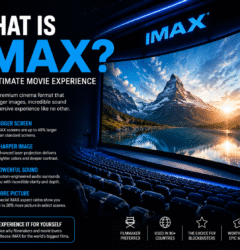
Film fans may feel the same. Freeview has film channels and occasional big movies, but it cannot match the choice of dedicated film services or broader IPTV libraries. If you love cinema, you may also enjoy related viewing guides such as what to know before your next IMAX cinema trip, because home viewing and cinema visits often complement each other rather than compete.
Ease of use matters more than people admit. A slightly more expensive option that your family actually understands may be better than a cheaper setup nobody can operate. The best telly setup is the one that gets you watching happily, not the one that looks clever on paper.
When comparing IPTV vs Freeview, many viewers make the decision too quickly. They focus on one feature, such as price or channel count, and forget the everyday details that make TV enjoyable. The good news is that these mistakes are easy to avoid.
Common mistakes include:
Another mistake is overestimating how many channels you need. Hundreds or thousands of channels sound exciting, but most households regularly watch a small number of favourites. It is better to have a reliable, well-organised service with the channels you enjoy than an enormous messy list that is hard to navigate.
It is also worth avoiding last-minute setup. Do not wait until the day of a big final, film premiere or family gathering to test your device. If you are looking forward to a major event, whether that is football coverage like Spain vs Argentina World Cup 2026 final previews or a new blockbuster at home, check your connection, app and login beforehand.
Finally, do not assume one answer suits every room. You might want IPTV in the lounge, Freeview in the kitchen and streaming apps on tablets. Modern viewing is flexible, and your setup can be flexible too.
IPTV is better if your household wants more choice, more flexibility and a more modern app-based viewing experience. It is especially useful if you have good broadband, enjoy sport or films, want international channels, or prefer watching across different devices.
Freeview is better if you want a simple, free-to-access live TV service and you are happy with the main UK channels. It is ideal for viewers who do not want another subscription and who already have a reliable aerial signal.
Choose Freeview if:
Choose IPTV if:
Choose both if:
For many UK households in 2026, the best answer is not IPTV vs Freeview as a fight. It is about using the right tool for the right job. Freeview remains a dependable basic option. IPTV offers a more flexible way to watch modern television. Together, they can create a comfortable, reliable and enjoyable home entertainment setup.
IPTV is better if you want more channel choice, on-demand options, sport, films and device flexibility. Freeview is better if you only need basic UK live TV and want to avoid a monthly subscription. In most cases, the best option depends on your broadband, aerial signal and viewing habits.
No, IPTV does not need a TV aerial. It works through your internet connection using a compatible device such as a Smart TV, Firestick, Android box, tablet or phone. You only need an aerial if you also want to watch Freeview broadcasts.
Yes, standard Freeview live channels work through an aerial and do not need the internet. However, Freeview Play, catch-up apps and on-demand services on a Smart TV do need an internet connection.
Freeview does not normally include full premium sports channels such as Sky Sports or TNT Sports as part of its free channel line-up. Some highlights and selected events may appear on free-to-air channels, but regular premium sports coverage usually requires a separate paid service or suitable TV package.
IPTV can buffer if your broadband or Wi-Fi is weak, but a stable connection usually gives a smooth experience. Freeview does not buffer in the same way, but it can suffer from poor aerial reception, missing channels or picture break-up. Each platform has different reliability issues.
When it comes to IPTV vs Freeview, there is no single perfect answer for every UK home. Freeview is simple, familiar and cost-effective for everyday broadcast telly. IPTV is flexible, modern and better suited to viewers who want more choice across sport, films, international channels and on-demand entertainment. If you want a calm, premium IPTV experience with friendly guidance, Telego is here to help you explore your options and build a viewing setup that feels easy, reliable and enjoyable.